About All Tours Boat Cruise ToursResurrection Bay ToursWildlife ToursFrom Seward Tours Directions Hours & Fees
Find Tours 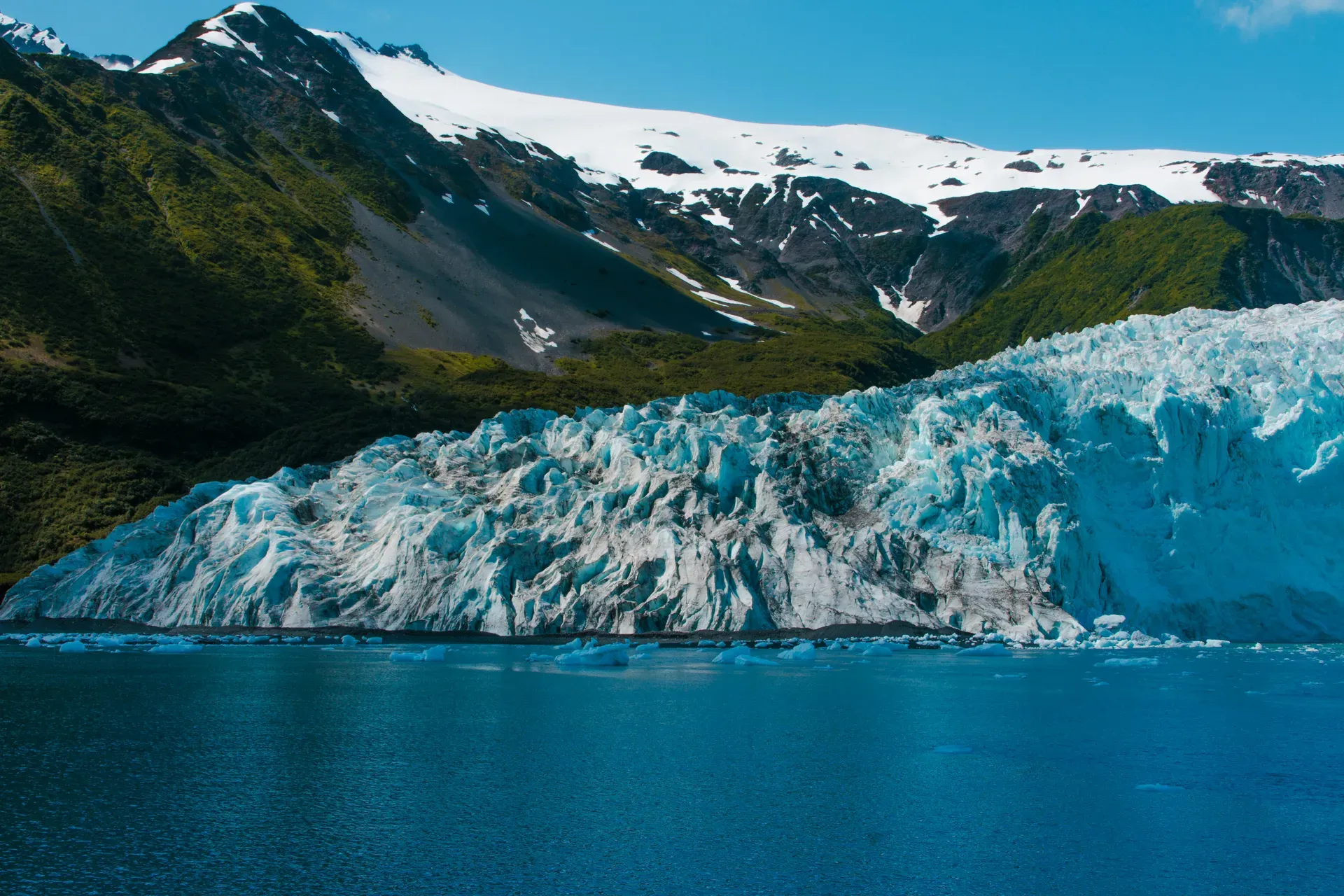
Spanning 607,000 acres on the Kenai Peninsula, this coastal wilderness protects the massive 714-square-mile Harding Icefield and over 30 shifting glaciers. Visitors can hike the 2.2-mile loop to Exit Glacier or watch humpback whales and calving ice on a boat tour through Aialik Bay.
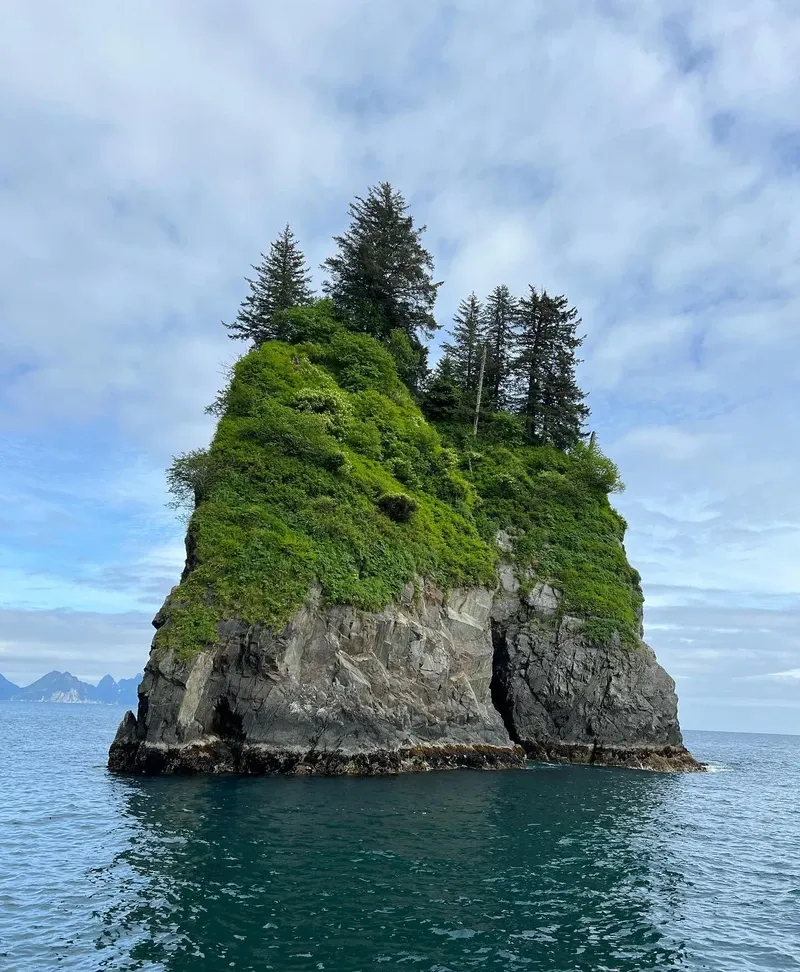
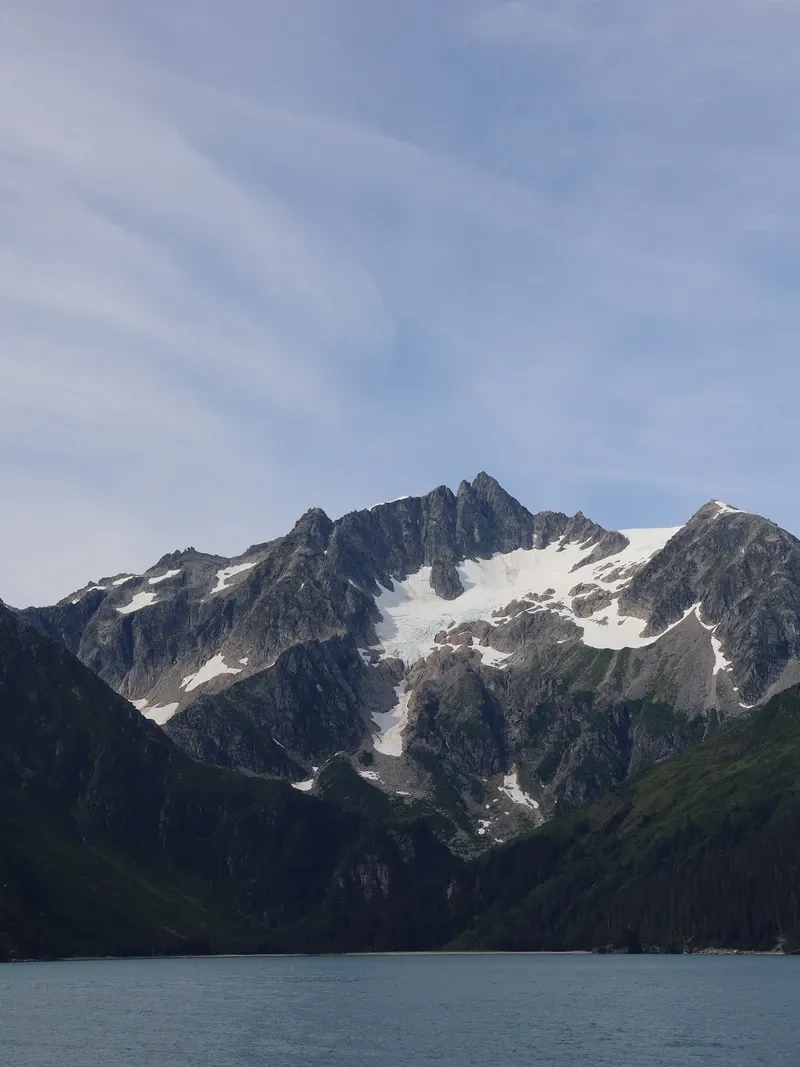
Find Guided ToursKenai Fjords National Park spans 607,000 acres on the southeastern side of the Kenai Peninsula in south-central Alaska. Located near the town of Seward, it is the smallest national park in the state. The landscape is defined by a deeply indented glaciated coastline, rugged peninsulas, and the Kenai Mountains, which reach a peak elevation of 6,450 feet. It protects one of only six fjord estuary ecosystems on Earth, providing critical habitat for marine life such as humpback whales, orcas, and Steller sea lions, alongside at least 191 species of birds.
The interior of the park is dominated by the Harding Icefield. Covering 714 square miles and measuring up to a mile thick, this massive ice sheet feeds over 30 glaciers, six of which reach tidewater. Deep fjords like Aialik Bay and McCarty Fjord were carved out of soft muddy sandstones and shales by these retreating glaciers. Tectonic activity continuously shapes the region as the Pacific Plate subducts beneath the North American Plate. During the 1964 Great Alaska Earthquake, the local shoreline plummeted six feet.
Archeological evidence indicates that Alaska Natives, including the Sugpiaq people, inhabited the fjords for thousands of years before the arrival of hunters, miners, and fox farmers. The park preserves this cultural heritage, maintaining a museum collection of over 250,000 objects. Following the 1971 Alaska Native Claims Settlement Act, native corporations like the Port Graham and English Bay Corporations selected lands within the future park boundaries.
President Jimmy Carter initially protected the region as a national monument on December 1, 1978, using the Antiquities Act. On December 2, 1980, the area was officially established as Kenai Fjords National Park under the Alaska National Interest Lands Conservation Act. Today, visitors access the park primarily by water to navigate the coastal fjords or by road to view the retreating Exit Glacier.
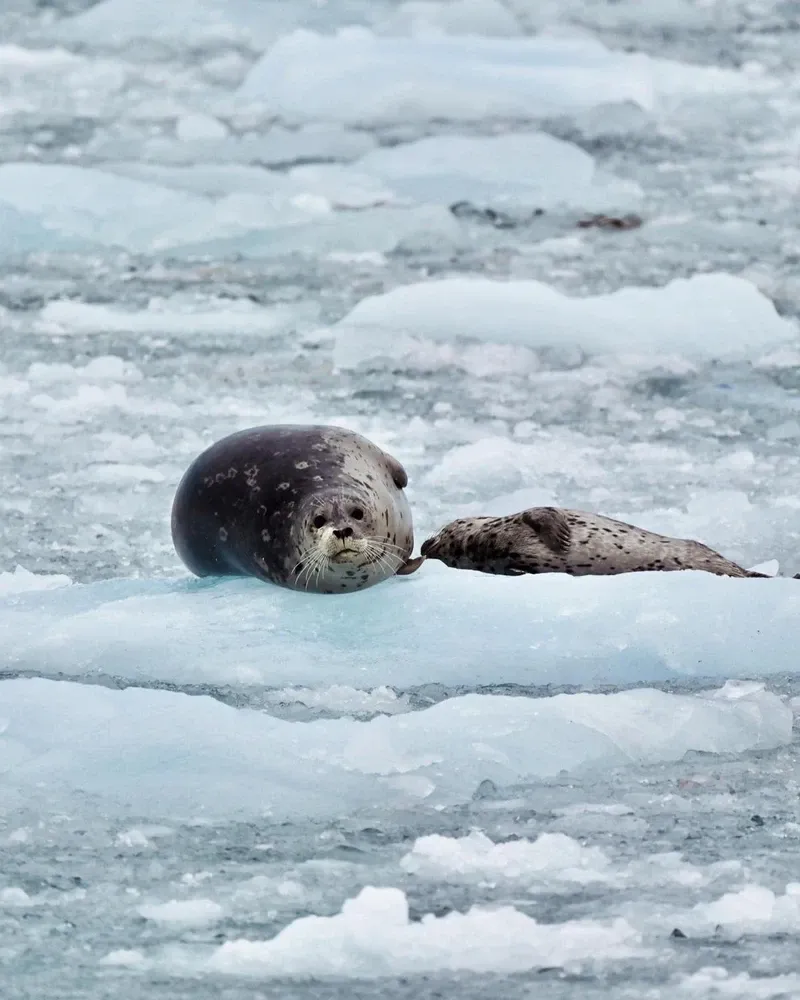
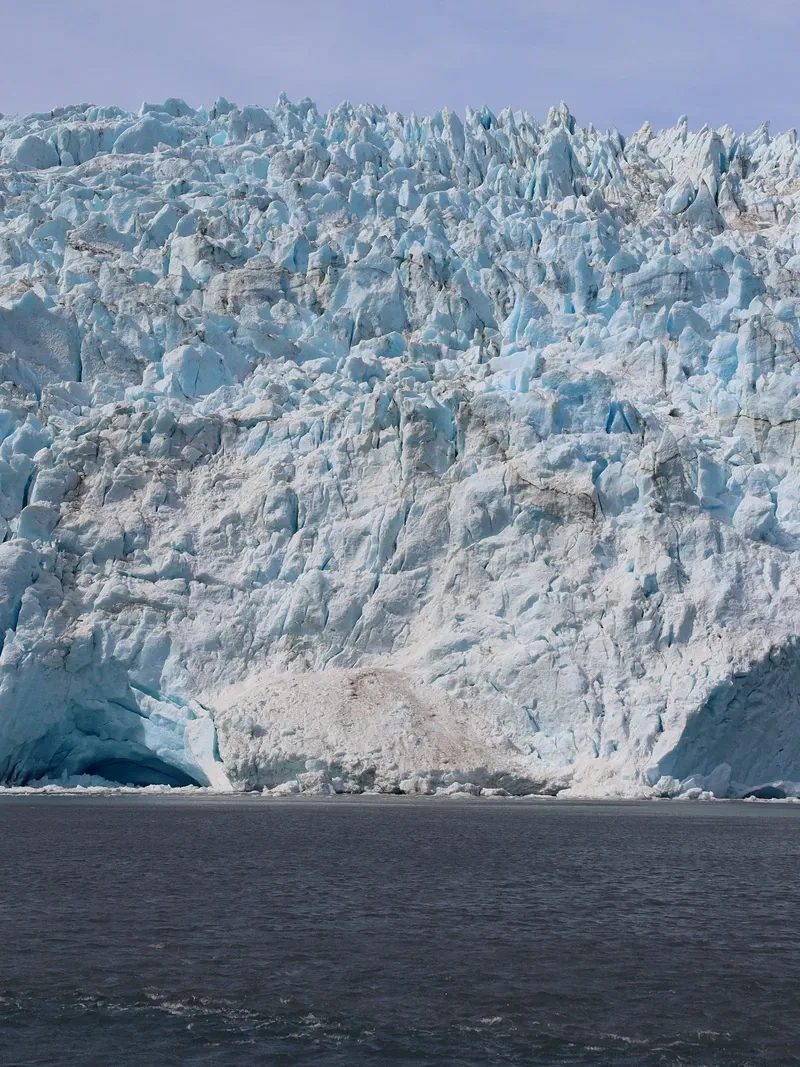
Discover the full history and cultural significance on our About page.
Climbing alongside Exit Glacier rewards hikers with a panoramic perspective of the massive 714-square-mile Harding Icefield. This strenuous route provides a direct look at an endless sheet of ice stretching to the horizon. The challenging trek gives visitors a true sense of Alaska's rugged and dynamic wilderness.
An 8-hour boat tour travels deep into the remote coastal wilderness. Passengers watch massive chunks of ice calve from spectacular tidewater glaciers directly into the sea. These extended trips also provide excellent opportunities to spot marine wildlife, including humpback whales and sea otters navigating the cold waters.
Paddling through Aialik Bay puts visitors right at water level among floating icebergs. Guided day trips approach the towering face of Aialik Glacier. From the seat of a kayak, you can clearly hear the thunderous, echoing sounds of cracking ice as the glacier shifts and drops into the sea.
Flightseeing provides a spectacular aerial perspective of the largest glacier in the park. Passengers look down on a 12-mile-long river of ice that flows directly into a narrow coastal lagoon. From above, the water is visibly choked with giant, floating blue icebergs trapped within the rocky basin.
Hand-picked tours with free cancellation and verified reviews
 Free Cancellation 6h
  Free Cancellation 4h
  Free Cancellation 6h
  Free Cancellation 7h 30min
  Free Cancellation 8h 30min
  Free Cancellation 4h
  6h
6h  Free Cancellation 7h
 The optimal time to visit Kenai Fjords National Park is during the summer months of June, July, and August. This window provides full park accessibility, long daylight hours, and the highest probability of spotting marine wildlife.
March and April bring winter conditions and closed roads. May acts as a transitional shoulder month, offering limited park access and reduced services before the peak summer season begins.
These months offer the most favorable weather, long daylight hours, and fully operational visitor services. It is the peak time to view active humpback whales and nesting seabirds.
September operates as a shoulder month with fewer tours and departing whales. By October, winter conditions firmly set in, closing the road to Exit Glacier and halting most visitor services.
The park experiences harsh winter weather, and the road to Exit Glacier is unplowed. Access is limited strictly to winter recreation methods like snowmobiling, skiing, and dog sledding.
Kenai Fjords National Park is open 24 hours a day, year-round. The Visitor Centers operate seasonally from Memorial Day weekend through Labor Day, with reduced services in May and September. During the winter months, typically October through April, the road to the Exit Glacier area is not plowed and completely closes to automobile traffic.
| Category | Price |
|---|---|
| Park Entrance | Free |
| Exit Glacier Campground | Free |
| Coastal Public Use Cabins (Summer) | $75 per night |
| Willow Cabin (Winter) | $50 per night |
| Special Use Permit Application | $100 |
Advance reservations are required for the park's public use cabins. Special use permits for activities like commercial filming or weddings must be obtained at least two weeks in advance.
For complete schedules and ticket prices, visit our Hours & Fees page.
Visitors primarily reach the park through the town of Seward on the Kenai Peninsula. From there, travelers access the coastal fjords by water or take the road to the Exit Glacier area.
The Coastal Classic train operates daily between Anchorage and Seward. This highly scenic 130-mile route travels along the Turnagain Arm. Passengers enjoy views of mountains, glaciers, and potential wildlife sightings, including Dall sheep and Beluga whales. The ride concludes directly at the Seward harbor, providing easy access to boat tours.
Several providers operate daily summer bus services from Anchorage to Seward. Companies like Seward Bus Line, Park Connection Motorcoach, and A.C.T. Big Bus cover the 130-mile route. These comfortable coaches feature large windows for optimal sightseeing along the way. Drivers frequently make scheduled stops at key scenic points along the Seward Highway before arriving.
Local shuttle services provide daily round-trip transportation between the Seward Small Boat Harbor and the Exit Glacier area. Operators like the Exit Glacier Shuttle and Adventure 60 North run hourly during the summer season. The route covers a 12-mile distance. This service operates as an affordable option for travelers arriving without a personal vehicle.
For detailed transport options and routes, visit our Directions page.
The coastal rainforest climate presents a severe risk of hypothermia. Always wear multiple synthetic layers and high-quality waterproof gear. Avoid cotton clothing entirely, as it retains moisture. Temperatures drop significantly near active tidewater glaciers and on windy open water.
There is absolutely no cell phone service or public phones at the Exit Glacier Nature Center. If you use a local taxi or the $20 to $32 summer shuttle, arrange your return trip in advance. The access road is completely closed to automobiles during the winter.
Commercial operators strictly enforce equipment restrictions due to limited deck space and safety concerns. Leave tripods, coolers, strollers, and scooters behind. Arrive at the Seward harbor at least one hour before departure to secure your physical boarding pass.
Bear encounters are a constant possibility when hiking the 2.2-mile Exit Glacier Overlook Trail or exploring the backcountry. Hikers must carry bear spray and make plenty of noise. Federal regulations require maintaining a minimum distance of 300 yards from bears at all times.
June, July, and August provide the highest probability of spotting active marine wildlife. High tourist volumes mean boat tours and the $75 nightly coastal public-use cabins sell out quickly. Secure your reservations well before arriving on the Kenai Peninsula.
Finding charging stations is nearly impossible once you leave Seward. Carry a portable backup battery for your phone and camera gear. Since cell phone coverage is extremely spotty along the coast, a marine VHF radio tuned to channel 16 is recommended for emergencies.
As Alaska's only public aquarium, this facility doubles as an important marine research and rehabilitation center. Visitors can observe cold-water fish, seabirds, and marine mammals up close.
This outdoor activity center features an aerial ropes course reaching up to 45 feet high. Families can also participate in axe throwing, archery tag, gravel biking, and water zorbing.
This massive public land area provides numerous campgrounds and scenic routes like the Lost Lake Trail. It serves as a pet-friendly alternative to the national park with excellent mountain vistas.
Read what travelers share about their experience visiting Kenai Fjords — from practical tips to personal highlights.

No, Kenai Fjords National Park does not charge an entrance fee. Camping at the 12-site Exit Glacier Campground is also completely free on a first-come, first-served basis. However, reserving a public-use coastal cabin costs $75 per night during the summer.
The best months to visit are June, July, and August. During this peak summer season, visitor services are fully operational, the weather is favorable, and you have the highest probability of spotting active marine wildlife like humpback whales. The road to Exit Glacier is closed to automobiles from October through April.
Local shuttle services operate daily between the Seward Small Boat Harbor and the Exit Glacier area, which is a 12-mile trip. Companies like Exit Glacier Shuttle and Adventure 60 North run hourly during the summer, charging between $20 and $32 for a round-trip ticket.
You can reach Seward from Anchorage by taking the Coastal Classic train, which covers the 130-mile route in 4 hours and 20 minutes. Alternatively, daily summer motorcoach services cost $60 to $80 one-way and take about 3 hours.
Dress in multiple synthetic layers and bring a high-quality waterproof jacket and pants. Temperatures drop significantly near active tidewater glaciers and on open water. Avoid wearing cotton clothing, as it retains moisture and increases the risk of hypothermia in the cold, wet coastal climate.
Yes, the park visitor centers and a 1-mile loop trail to the Exit Glacier panoramic view are fully wheelchair-accessible. Major commercial tour boats operating out of Seward also accommodate visitors with heated cabins, accessible restrooms, and wheelchair-compatible tables.
Drones are strictly prohibited within all boundaries of Kenai Fjords National Park to protect wildlife. Commercial boat operators also ban tripods, strollers, and coolers on their vessels due to limited deck space and passenger safety constraints.
A typical visit requires at least a half-day of 2 to 4 hours to walk the trails around the Exit Glacier area. To see the coastal fjords and tidewater glaciers, plan for a full-day marine boat tour lasting 6 to 8 hours.
Browse verified tours with free cancellation and instant confirmation.
Find Tours